
Ahmed Shehzad Challenges Fans Over IPL-PSL Comparisons Amid Clashing Schedules
Authored by dungislot.com, 17-04-2026
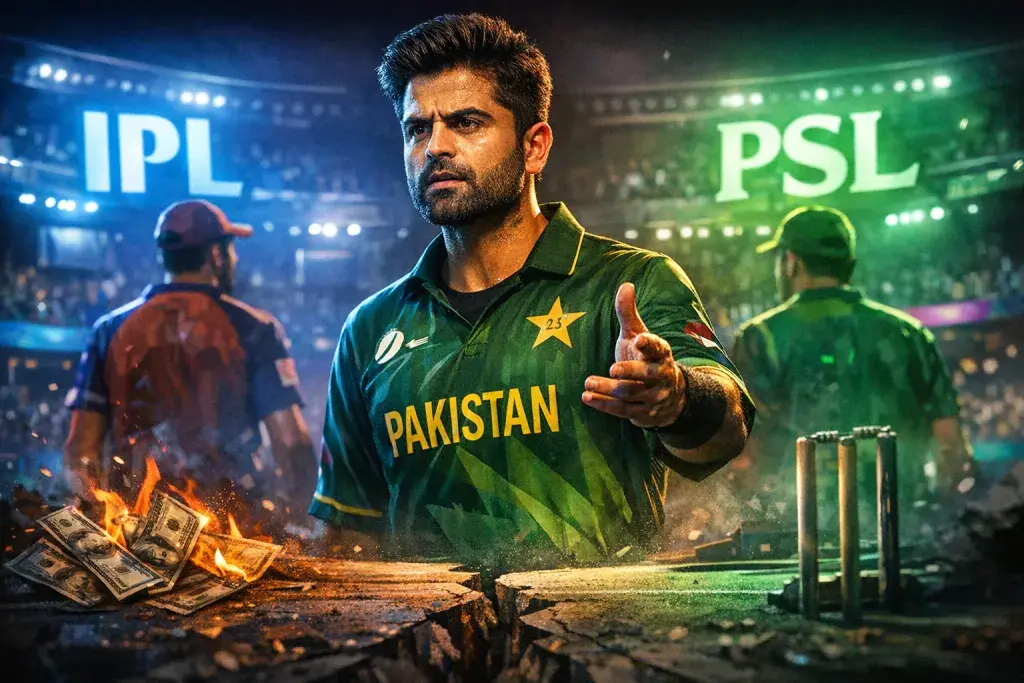
Pakistani cricketer Ahmed Shehzad has sharply rebuked fans and observers drawing parallels between the Indian Premier League and Pakistan Super League, whose schedules now overlap. In a pointed response to recent questions, he highlighted how participants gravitate toward the IPL, leaving the PSL with those sidelined from Indian opportunities. His remarks, which question the fairness of penalties like the two-year suspension of Blessing Muzarabani for prioritizing IPL commitments, expose deepening tensions in global cricket's fragmented calendar.
Roots of the IPL-PSL Friction
The overlap stems from packed international schedules that force T20 leagues into direct competition. Shehzad's outburst followed persistent media inquiries during PSL events, where journalists pressed participants on league preferences. He remarked that only those retired from IPL pursuits, unsold in auctions, or without viable IPL paths—naming David Warner and Steve Smith as examples—remain available for PSL. This dynamic, he argued, renders comparisons futile and harmful, as IPL's pull dominates choices for anyone with options.
Uneven Enforcement Raises Questions
Shehzad spotlighted inconsistencies by asking why figures like Spencer Johnson and Dasun Shanaka faced no repercussions for similar decisions. Muzarabani's ban underscores the PSL's stricter stance against absconding for rival commitments, a measure aimed at preserving league integrity amid talent drains. Such actions reflect broader struggles for emerging leagues to retain top international names when wealthier counterparts offer superior financial incentives and visibility.
Implications for Cricket's Global Ecosystem
Clashing calendars exacerbate divides, limiting cross-league participation and fueling national rivalries. For Pakistan's board, the challenge lies in balancing aggressive retention policies against the risk of alienating a shrinking pool of elite talent. Shehzad's intervention signals growing frustration that endless debates erode focus from development efforts. As T20 formats proliferate worldwide, unresolved scheduling conflicts threaten collaborative growth, pushing participants toward the most lucrative paths and widening gaps between dominant and peripheral organizers.
Path Forward Amid Persistent Rivalries
Coordinated international oversight could realign calendars, but entrenched commercial interests hinder progress. Shehzad urged an end to divisive rhetoric, warning it does more damage than good. His stance invites reflection on how leagues might foster mutual benefits rather than punitive measures. Until broader reforms emerge, such flare-ups will persist, mirroring the high-stakes choices defining modern cricket's professional landscape.